

Most Investors Fear Bear Markets. My 7-Year Track Record Shows They Should Welcome Them.
It's better to buy assets when they're on sale.
Overview
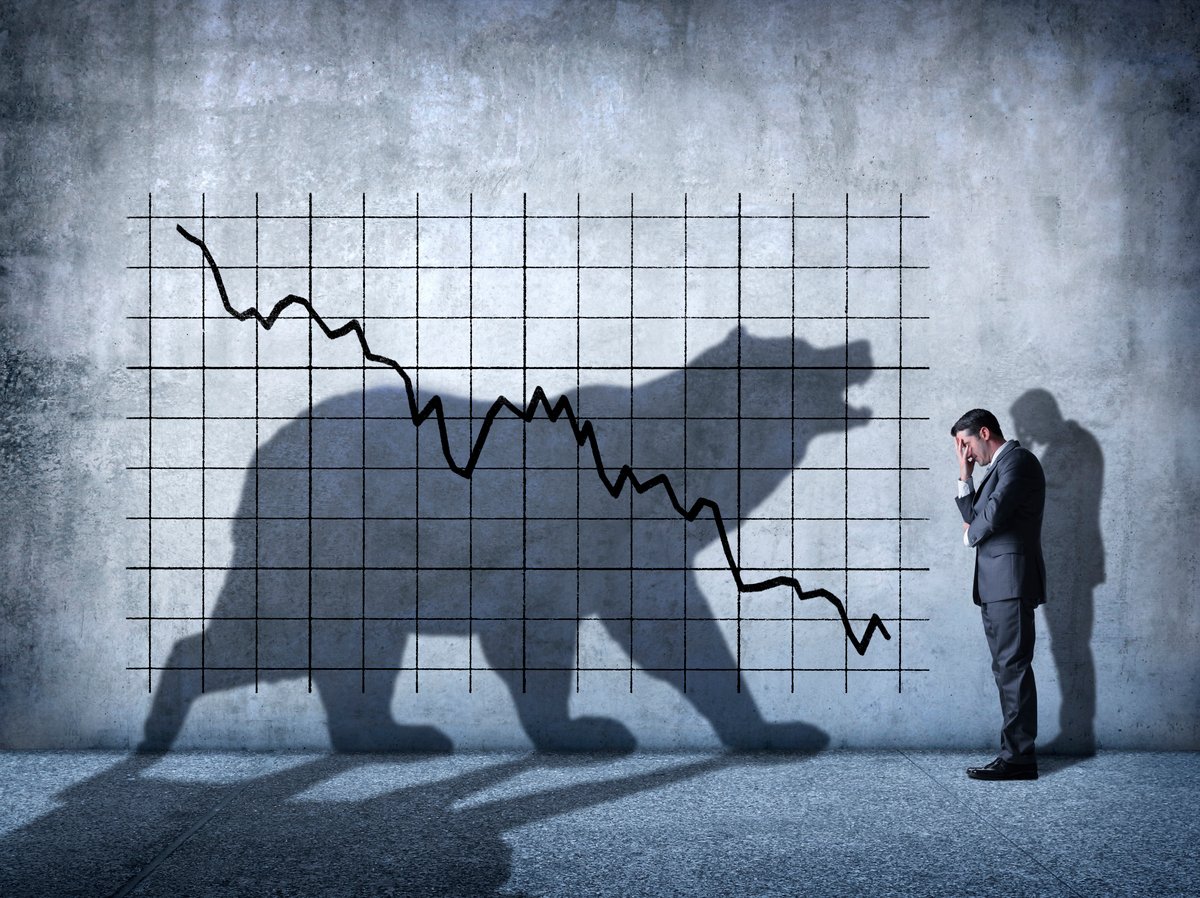
A bear market is traditionally defined as a decline of 20% or more in a broad market index that lasts at least two months, per the U.S. Securities and Exchange Commission (SEC). A bull market is the same size move to the upside. Bitcoin (CRYPTO: BTC) is an easy way to appreciate these dynamics, with its price crashing from its all-time bull market high near $126,080 in early October 2025 to its bear market low near $58,556 in late June of this year. The coin also experienced a bear market in 2022, among other earlier instances.
I bought Bitcoin throughout both of those bear markets. I also bought the SPDR S&P 500 ETF Trust (NYSEMKT: SPY), an exchange-traded fund (ETF) that tracks the S&P 500, during the stock market's 2022 bear market. I started investing more consistently and more seriously in late 2019 and early 2020, so that's nearly seven years of regularly buying these assets, no matter what kind of market is happening. The returns from doing so have convinced me that the bear markets that many investors dread are actually where there's the most opportunity.
Image source: Getty Images.
Details
Source
Originally published at www.fool.com.