

Bull Market or Bear Market: The Real Difference Is What You Do Next
It's easy to make money during a bull market when stock prices seem to only go up. But bear markets are when savvy, gutsy investors can lock in the biggest long-term gains.
Overview
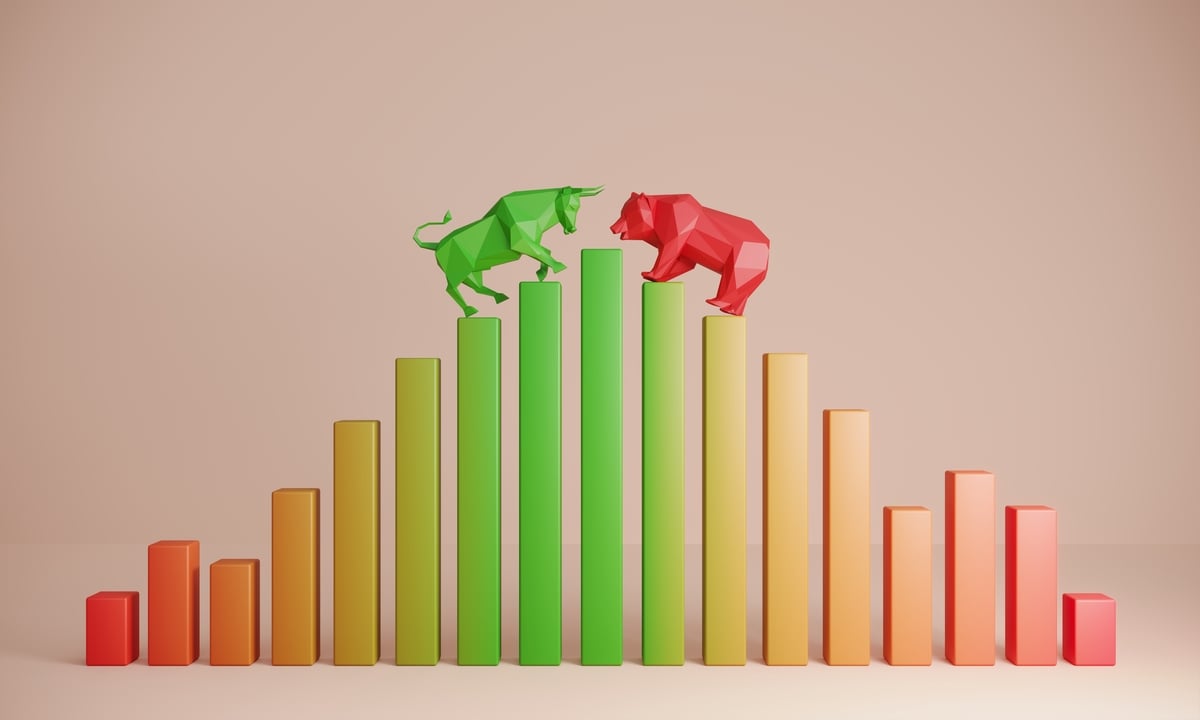
The U.S. stock market has a long-term track record of strong positive returns. The S&P 500 index (SNPINDEX: ^GSPC) has delivered average annual returns of 10% per year for the past nearly 100 years. When a bull market is happening, there is a strong upward trend in stock prices. During a bull market, investors feel confident and excited about the future. Lots of people make money.
But stocks don't always go up. Sometimes the economy gets shaky, the world goes into crisis, companies run into problems and underperform their earnings estimates, and investors hit the sell button. When a stock market index like the S&P 500 declines by 20% or more from a recent high, this is called a bear market.
Details
According to research from Fidelity, since 1872, there have been 26 bull markets and 26 bear markets. I've experienced major bull markets and bear markets during my more than 20 years as an investor. I've lived through the dot-com bust, the 2008 global financial crisis, the 2020 pandemic, and more.
Source
Originally published at www.fool.com.