

AI Data Centers Will Consume 70% of All Memory Chips in 2026. Here Are the Only 2 Stocks That Matter.
As massive data center demand reshapes the digital memory industry, Micron and SK Hynix stand at the center of a powerful long-term growth trend.
Overview
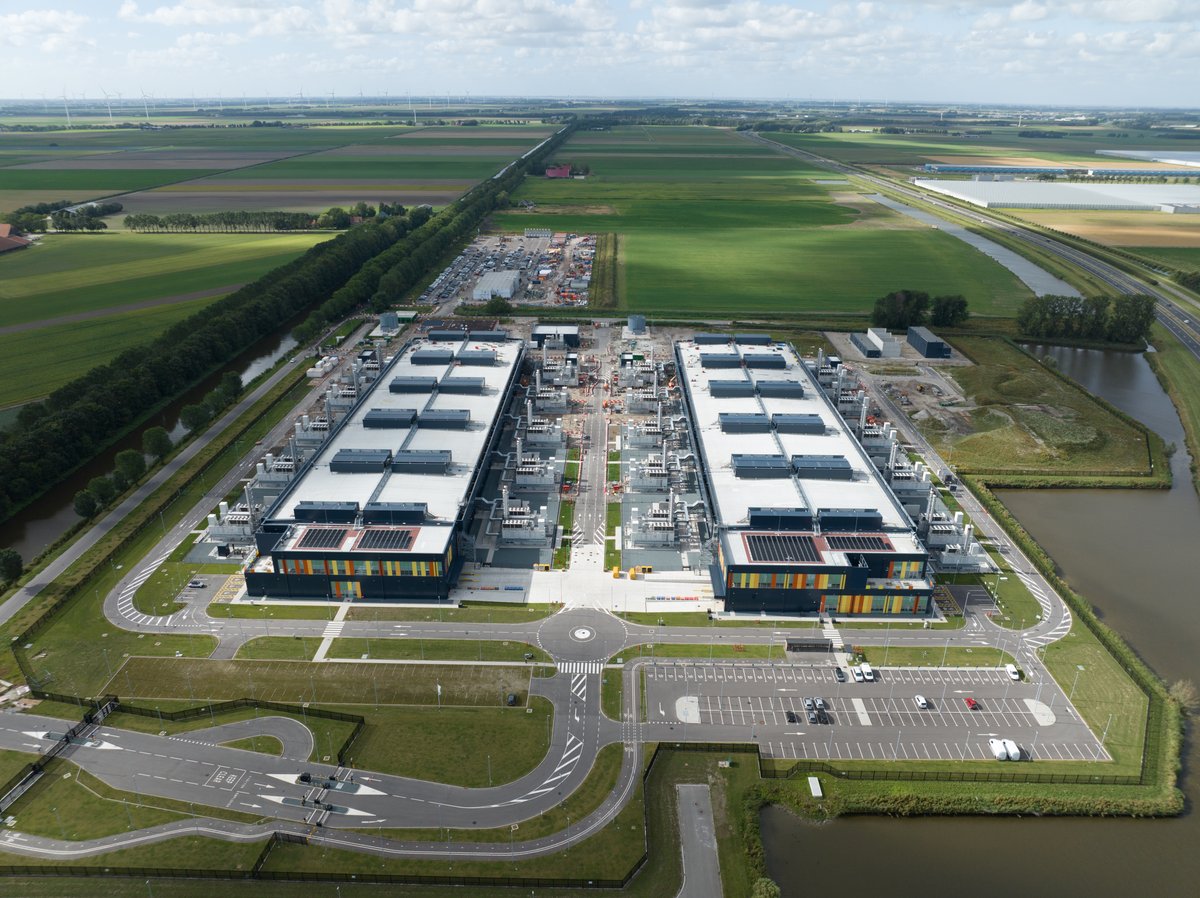
Seventy percent. That's the share of global memory chip production that artificial intelligence (AI) data centers are expected to absorb in 2026. Set aside what that means for the companies supplying it for a moment and consider what it means for everything else in the tech realm. Smartphones, laptops, cars, medical devices, and televisions are all competing for the remaining 30% of a supply base that used to be far closer to balanced with demand. Market research firm IDC is forecasting that smartphone unit sales will fall by as much as 5% and that PC unit sales will shrink by up to 9%, specifically because of this reallocation. This is a transfer of component manufacturing capacity that is reshaping an entire industry in real time.
Three companies manufacture most of the world's high-bandwidth memory. One of them, South Korean giant Samsung, is not traded on U.S. exchanges. For most domestic investors seeking direct exposure to the most constrained slice of the technology supply chain, that leaves two stocks: Idaho-based Micron Technology (NASDAQ: MU) and South Korea's SK Hynix (KOSE: A000660), which is preparing to list in the U.S. via a secondary offering on the Nasdaq next month.
Details
High-bandwidth memory, or HBM, is not standard random access memory. It stacks dynamic random access memory (DRAM) dies vertically and connects them via microscopic silicon channels called through-silicon vias, delivering data bandwidth that flat memory architectures cannot physically match. Every Nvidia Blackwell graphics processing unit requires HBM. Every hyperscaler building the next generation of AI training infrastructure requires it -- and building 1 gigabyte of HBM consumes 4 times the wafer capacity of standard DRAM. When memory manufacturers shift capacity toward HBM, they disproportionately tighten supply for every other memory product on the market.
Source
Originally published at www.fool.com.